
Maintaining health and independence as we age isn’t about reacting to problems—it’s about building systems that prevent them. For seniors and individuals with reduced mobility, effective prevention encompasses far more than annual checkups. It requires understanding how to navigate complex healthcare systems, adopting daily habits that build biological resilience, optimizing nutrition for changing metabolic needs, and approaching recovery with strategies that preserve independence rather than erode it.
The articles in this category address the interconnected pillars of senior health prevention: coordinating care to avoid dangerous gaps, implementing lifestyle modifications that genuinely protect against decline, adapting dietary intake to meet evolving physiological demands, and recovering from setbacks in ways that rebuild strength rather than create dependency. Together, these elements form a comprehensive approach to not just living longer, but maintaining the quality of life that makes those years meaningful.
The modern healthcare system presents particular challenges for seniors who often manage multiple conditions across different specialists. Without deliberate organization, this complexity creates fragmented care—a situation where your cardiologist doesn’t know what your endocrinologist prescribed, and neither is aware of the supplements your physical therapist recommended.
Think of healthcare coordination like conducting an orchestra. Each musician (specialist) may be highly skilled, but without someone ensuring they play in harmony, the result is noise rather than music. For seniors, this discord can manifest as dangerous drug interactions, contradictory treatment advice, or duplicated tests that waste time and money.
Emergencies don’t wait for you to gather paperwork. A concise medical summary—a single-page document listing current conditions, medications, allergies, and emergency contacts—can be lifesaving when you’re unable to communicate clearly. This isn’t about compiling your entire medical history; it’s about distilling the information paramedics and emergency physicians need within the first critical minutes.
Keep copies in multiple accessible locations: your wallet, refrigerator door, car glove compartment, and with a trusted neighbor or family member. Update it whenever medications change, typically every three to six months.
Healthcare is transitioning toward digital patient portals, but the question isn’t whether one system is universally superior—it’s about which combination works for your circumstances. Digital portals offer real-time access to test results and the ability to message providers, but they require technological comfort and reliable internet access. Paper records provide tangible backup and don’t depend on passwords you might forget.
Many seniors benefit from a hybrid approach: using digital portals for routine communication while maintaining printed copies of essential documents. This redundancy ensures you’re never locked out of critical information due to technical issues.
Perhaps the most insidious risk in healthcare coordination is assuming that providers automatically communicate with each other or that someone else is tracking the big picture. This passive stance—waiting for the system to work rather than actively managing your care—frequently leads to oversights.
Active participation means simple practices like bringing medication lists to every appointment, asking each provider if they’ve received records from your other specialists, and questioning any new prescription that might interact with existing treatments. You’re not being difficult; you’re being thorough.
Prevention isn’t a dramatic intervention—it’s the accumulation of small, consistent choices that either strengthen or deplete your body’s reserves. For seniors, these daily habits take on heightened importance because biological resilience—your body’s ability to withstand and recover from stress—naturally declines with age. The good news? Lifestyle modifications can significantly slow or even partially reverse this decline.
Dehydration doesn’t just make you thirsty; in seniors, it impairs cognitive function, reduces physical coordination, and increases fall risk. Older adults often have diminished thirst sensation, meaning you can be significantly dehydrated before feeling thirsty. By that point, you may already be experiencing confusion, dizziness, or weakness.
A practical approach: rather than trying to remember to drink water, tie hydration to existing routines. A glass with each meal, another with each medication dose, and one before bed establishes a rhythm that doesn’t rely on thirst cues. Aim for pale yellow urine as your hydration gauge—darker indicates you need more fluids.
Your prevention strategies shouldn’t remain static throughout the year. Seasonal transitions bring predictable challenges: winter increases influenza and pneumonia risk while indoor heating dries mucous membranes, spring and fall trigger allergies that can exacerbate respiratory conditions, and summer heat creates dehydration and heat exhaustion risks.
Developing seasonal routines—like scheduling flu vaccines in early autumn, adjusting indoor humidity during heating season, and modifying exercise timing during summer heat—transforms prevention from reactive to anticipatory.
Vitamin D is crucial for bone health, immune function, and mood regulation, yet many seniors are deficient. The traditional advice—get sunlight—becomes complicated for older adults with skin cancer concerns, limited mobility, or those living in northern climates with insufficient winter sunlight.
The reality is that most seniors benefit from supplementation rather than relying solely on sun exposure, particularly during fall and winter months. However, dosing should follow blood test results rather than guesswork, as both deficiency and excess create problems. A healthcare provider can establish your baseline and appropriate supplementation level.
The temptation to dismiss small changes—slight balance issues, minor digestive discomfort, occasional shortness of breath—often stems from attributing everything to “just getting older.” This mindset creates dangerous delays in addressing treatable conditions.
Minor symptoms are your body’s early warning system. That persistent slight cough might indicate medication side effects or early heart failure. Those balance wobbles could signal inner ear problems or vitamin B12 deficiency. Addressing symptoms while they’re still minor is far easier than managing the crises they become when ignored.
Sleep isn’t merely rest—it’s when your body performs essential cellular repair and waste removal, particularly in the brain. Poor sleep accelerates cognitive decline, weakens immune function, and increases inflammation throughout the body.
For seniors facing age-related sleep changes, optimization means working with your physiology rather than against it. This includes maintaining consistent sleep-wake times even on weekends, creating completely dark sleeping environments, avoiding screens for two hours before bed, and addressing specific issues like sleep apnea or restless leg syndrome that fragment sleep quality.
Nutritional needs don’t simply continue unchanged as we age—they shift in significant ways that require deliberate adaptation. Metabolism slows, absorption efficiency decreases, and protein requirements actually increase even as appetite often diminishes. Understanding these changes allows you to work with your body’s evolution rather than fighting against it.
The macronutrient balance that worked at age forty often creates problems at seventy. Slowing metabolism means your body requires fewer total calories, but paradoxically needs relatively more protein and certain micronutrients. Simply eating less of the same diet typically leads to protein and nutrient deficiencies even while maintaining or gaining weight.
This requires a shift in thinking: rather than focusing on eating less, focus on eating more strategically. Prioritize nutrient-dense foods that deliver maximum nutritional value per calorie—think salmon over chicken nuggets, berries over juice, legumes over refined grains.
Low protein intake creates a cascade of problems for seniors: accelerated muscle loss (sarcopenia), slower wound healing, weakened immune response, and increased frailty. Yet many older adults consume insufficient protein because appetite decreases, chewing difficulties emerge, or they follow outdated nutritional guidelines developed for younger populations.
Current research suggests seniors need approximately 1.0-1.2 grams of protein per kilogram of body weight daily—significantly more than the standard recommendation. For a 150-pound person, this translates to roughly 70-80 grams daily, distributed across meals rather than concentrated in one sitting, since aging muscles become less efficient at utilizing large protein boluses.
The debate between animal and plant protein sources often becomes ideological, but for seniors, the practical question is about amino acid completeness and digestibility. Animal proteins provide all essential amino acids in one source and are highly digestible. Plant proteins often require combining different sources and may be less efficiently absorbed, though they offer beneficial fiber and phytonutrients.
The pragmatic approach? A combination that acknowledges your personal circumstances. If you have excellent appetite and digestive function, meeting protein needs through varied plant sources is achievable. If appetite is limited or you struggle with volume, concentrated animal proteins may be more practical. Neither choice is morally superior; what matters is meeting your body’s requirements.
Fad diets promising dramatic results create particular risks for seniors. Extreme calorie restriction accelerates muscle loss, elimination diets risk nutrient deficiencies, and rapid weight loss often comes primarily from muscle rather than fat. The older you are, the more difficult rebuilding lost muscle becomes.
Sustainable nutrition for seniors emphasizes sufficiency and balance over restriction and extremes. If dietary changes are warranted, they should be gradual, monitored, and focused on adding beneficial foods rather than primarily eliminating categories.
Many medications require specific timing relative to meals for optimal absorption or to minimize side effects. Some thyroid medications must be taken on an empty stomach, certain osteoporosis drugs require remaining upright for thirty minutes afterward, and various antibiotics interact with calcium-containing foods.
Rather than trying to remember complex rules, create a simple medication-meal schedule documented in writing. Note which medications go with meals, which require empty stomach, and which have specific food interactions. This external system prevents dangerous errors and reduces the mental burden of remembering multiple timing requirements.
How you approach recovery from injury, surgery, or illness profoundly affects whether you return to previous function or enter a downward spiral of declining capability. The stakes are particularly high for seniors because recovery done poorly can create permanent dependency, while recovery done well can actually build capacity beyond pre-injury levels.
Muscle loss during periods of reduced activity occurs shockingly fast—measurable decline begins within 48-72 hours of immobilization, and seniors lose muscle approximately twice as fast as younger adults. A week of bed rest might require a month or more of dedicated effort to reverse.
This reality makes early mobilization critical. Even small movements—ankle pumps, isometric contractions, or assisted position changes—provide enough stimulus to significantly slow atrophy. The goal isn’t exercise for its own sake; it’s maintaining the biological signals that tell your body to preserve muscle tissue.
Whether recovering from surgery, managing a fracture, or dealing with temporary weakness, how you handle mobility limitations shapes long-term outcomes. The immediate challenge is maintaining safety while preventing the deconditioning cascade—where reduced activity leads to weakness, which leads to further activity reduction, creating a self-reinforcing cycle.
Effective strategies include:
Proper elevation significantly reduces swelling, pain, and complication risk during recovery from lower extremity injuries. Yet many people elevate incorrectly—propping a foot on a coffee table while seated doesn’t count. True therapeutic elevation means the injured area is above heart level, typically requiring lying down with the limb supported on pillows.
The choice between casts and walking boots affects recovery trajectory. Boots offer the advantage of removal for hygiene and controlled movement, but this flexibility creates temptation to resume activity prematurely. Casts provide forced compliance with rest but prevent any movement, sometimes leading to worse stiffness. Understanding your own tendencies toward either over-caution or impatience should inform which option you discuss with your provider.
Perhaps no single factor undermines rehabilitation more than impatience. Returning to full activity before tissues have adequately healed doesn’t demonstrate toughness—it demonstrates poor judgment that often converts acute injuries into chronic problems.
Healing follows biological timelines that cannot be rushed through willpower. Bone healing requires 6-8 weeks minimum, tendons heal more slowly than muscles, and older tissues need longer than younger ones. Graduating activities progressively—from non-weight-bearing to partial weight-bearing to full weight-bearing, from static to dynamic movement—allows each tissue layer to adapt before adding new stress.
The psychological shift from accepting help to resuming self-sufficiency requires deliberate attention. Some individuals resist help even when needed, creating safety risks. Others become comfortable with assistance and resist resuming tasks even when capable, beginning a transition toward unnecessary dependency.
Successful transitions involve establishing clear criteria-based progression rather than time-based assumptions. “I’ll resume cooking when I can stand for 15 minutes without pain and safely carry objects” provides concrete targets. Working with physical or occupational therapists to establish these milestones prevents both premature advancement and excessive caution.
Many people use these terms interchangeably, but they address different aspects of recovery. Physical therapy (PT) focuses on restoring movement, strength, and physical function—walking, climbing stairs, balance, and pain management. Occupational therapy (OT) focuses on performing daily life activities—dressing, bathing, cooking, and adapting environments or techniques to accommodate limitations.
Comprehensive recovery often requires both. PT might restore your ability to stand and move, while OT ensures you can translate that capability into actually preparing meals and managing household tasks. Understanding this distinction helps you advocate for complete rehabilitation rather than accepting gaps in your recovery support.
Beyond physical recovery lies psychological recovery—rebuilding confidence in your body’s capabilities and your own agency. The dependency mindset develops when temporary assistance becomes permanent identity, when “I can’t do that right now” transforms into “I can’t do that anymore.”
Preventing this mindset requires maintaining a clear distinction between current limitations and permanent identity. You are not “disabled”—you are “recovering.” You are not “unable to walk”—you are “temporarily using a walker.” This isn’t semantic game-playing; it’s maintaining accurate mental models that support continued progress rather than premature acceptance of limitation.
Health and prevention for seniors ultimately centers on one principle: maintaining agency over your own wellbeing. This requires systems for coordinating care, daily habits that build resilience, nutritional strategies adapted to your body’s current needs, and approaches to recovery that preserve independence. The articles throughout this category provide detailed guidance on implementing each element, transforming prevention from an abstract concept into concrete practices that protect the quality of life you’ve worked a lifetime to build.
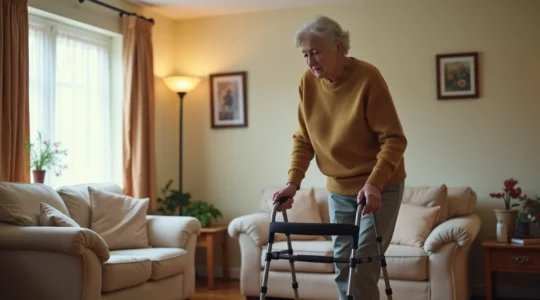
The key to ditching your walker isn’t just leg strength; it’s about retraining your brain’s trust in your body and breaking a psychological habit. Prolonged, unnecessary walker use can weaken your natural balance reflexes and create a fear of falling….
Read more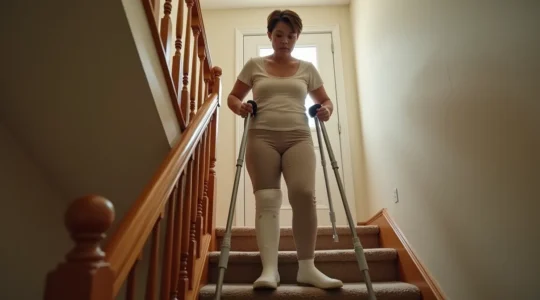
In summary: Immobility from a leg cast quickly leads to muscle loss and joint stiffness, complicating recovery. Proactive recovery involves more than just resting; it requires specific micro-movements and proper positioning. Safe mobility is achieved by preventing re-injury through careful…
Read more
The key to vitality after 70 is not eating less, but mastering “Nutrient Efficiency”—making every calorie a strategic investment in your health. Your metabolism slows, requiring fewer calories, but your body’s ability to absorb and use nutrients like protein and…
Read more
The secret to a resilient immune system after 70 isn’t just about eating well; it’s about understanding and adapting to your body’s new operational rules. Your body’s ability to absorb nutrients and produce cellular energy changes, requiring a more strategic…
Read more
Effective medical record organization is not about having a neat binder; it’s about building a resilient system that actively prevents communication failures and treatment errors. Fragmented care from multiple specialists often leads to conflicting prescriptions, a risk that requires a…
Read more