
In summary:
- Building flavor without salt relies on a strategy of layering tastes and textures, not just simple substitution.
- “Component prepping” ingredients separately allows for creating varied, fresh-tasting meals throughout the week.
- Understanding nutrition labels beyond just sodium is key to managing related conditions like diabetes.
- Practical planning, from budgeting to caregiver instructions, makes dietary compliance sustainable and enjoyable.
Receiving a diagnosis of hypertension or diabetes often comes with a daunting set of dietary rules, chief among them being the reduction of sodium. For many seniors, this feels like a sentence to a lifetime of bland, joyless meals. The standard advice—”just use herbs instead of salt” or “read the labels”—is well-intentioned but rarely sufficient. It overlooks the fundamental role salt plays in enhancing and balancing flavors, leaving home cooks feeling frustrated and uninspired.
But what if the secret to delicious low-sodium cooking wasn’t about what you remove, but what you build? As a chef specializing in medical diets, I’ve learned that creating satisfying, flavorful food is an exercise in culinary strategy. It’s about creating a “flavor architecture” from the ground up, using aromatic bases, textural contrasts, and umami-rich ingredients to construct a taste experience that doesn’t rely on salt as a crutch. This approach transforms meal prep from a chore of restriction into a creative, empowering act of self-care.
This guide will walk you through these professional strategies. We will dismantle common dietary myths, provide practical plans for budgeting and preparation, and offer solutions for specific challenges like pureed foods and fiber intake. You will learn how to think like a chef to make every low-sodium meal a genuinely satisfying one.
Contents: Mastering Flavorful Low-Sodium Cooking
- Why “Sugar-Free” Cookies Can Still Spike Your Glucose Levels?
- How to Plan a Week of DASH Diet Meals on a Fixed Budget?
- Meal Delivery Services or Home Aides: Which Is Better for Dietary Compliance?
- The Blending Mistake That Makes Pureed Food Unappetizing and Unsafe
- How to Introduce Fiber Slowly to Avoid Bloating and Discomfort?
- Why “Time in Range” Matters More Than Your A1C Score?
- Why High Blood Pressure Is Called the “Silent Killer” for Seniors?
- How to Plan a Weekly Menu That Caregivers Can Easily Prepare?
Why “Sugar-Free” Cookies Can Still Spike Your Glucose Levels?
For anyone managing both hypertension and diabetes, navigating the snack aisle is a minefield. A “sugar-free” label can feel like a green light, but it often hides a significant carbohydrate load that can send blood glucose levels soaring. The primary culprits are refined starches and sugar alcohols. While a product may not contain sucrose (table sugar), it is often made with white flour, which the body quickly converts to glucose. This means a sugar-free cookie can have a glycemic impact similar to its full-sugar counterpart.
Furthermore, many products use sugar alcohols like sorbitol, mannitol, and xylitol for sweetness. While they have a smaller impact on blood sugar than regular sugar, they are not completely inert. Consuming them in large quantities can still cause a moderate rise in glucose levels. For seniors, they also carry the common side effect of digestive distress, including bloating and diarrhea. Therefore, managing your diet requires looking at “total carbohydrates,” not just the “sugars” line on the nutrition label.
Your checklist for reading nutrition labels
- Check total carbohydrates, not just ‘sugars’ – sugar alcohols and starches also impact blood glucose.
- Look for sodium content per serving – aim for less than 140mg per serving for ‘low sodium’ status.
- Identify sugar alcohols like sorbitol, mannitol, and xylitol, which can cause digestive issues in seniors.
- Compare glycemic index values if available, preferring ingredients like almond flour (GI<20) over wheat flour (GI~70).
- Calculate net carbs: Total carbohydrates minus fiber minus half the sugar alcohols to estimate the real impact.
Understanding these hidden factors is the first step toward making truly informed choices that support both your blood pressure and blood sugar goals.
How to Plan a Week of DASH Diet Meals on a Fixed Budget?
The DASH (Dietary Approaches to Stop Hypertension) diet is rich in fruits, vegetables, and whole grains, which can seem expensive. However, with a chef’s strategy, adhering to it on a fixed budget is entirely achievable. The key is to shift from meal-by-meal cooking to “component prepping.” Instead of making seven distinct lunches, you prepare versatile components—like a batch of quinoa, roasted vegetables, and grilled chicken—that can be mixed and matched in different combinations throughout the week.
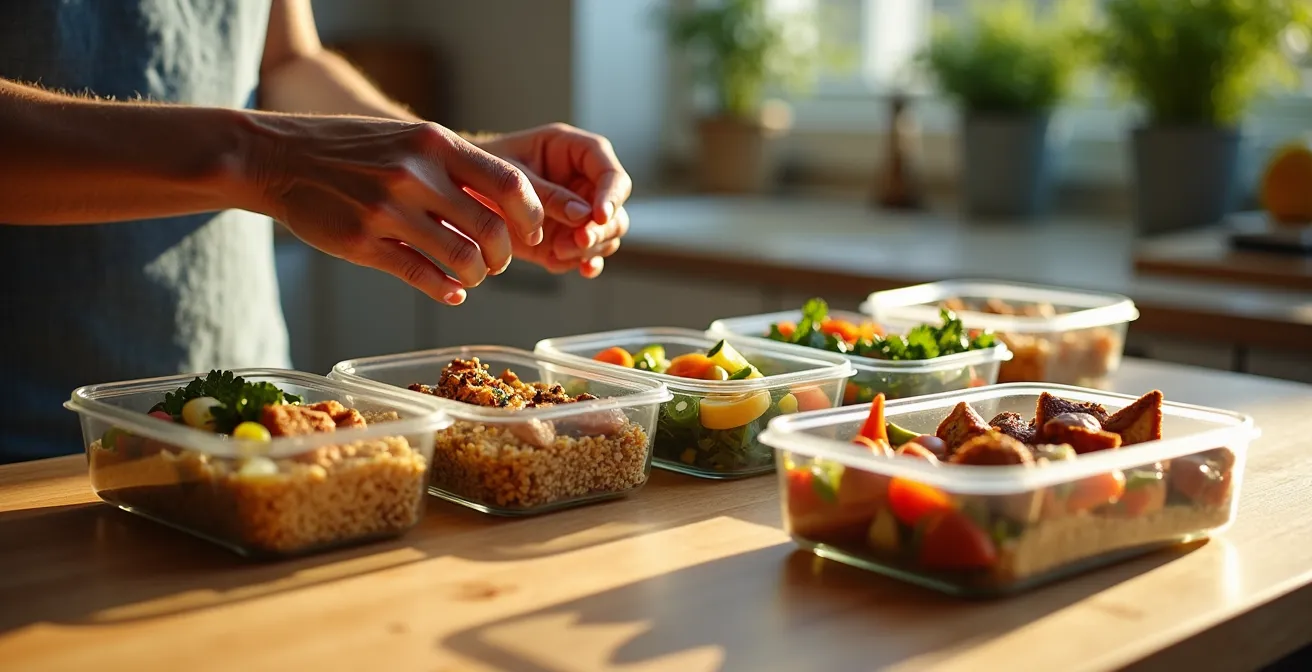
This approach not only saves time but also significantly reduces food waste. Strategic shopping is also vital. While fresh produce is wonderful, don’t overlook the value of frozen and canned goods. Frozen vegetables without added salt are just as nutritious as fresh and are often cheaper. Canned beans are an incredibly cost-effective source of protein and fiber; simply rinsing them can dramatically reduce their sodium content.
This table illustrates how to think about the true cost of your low-sodium staples.
| Food Item | Unit Price | Sodium Content | After Rinsing | Cost per Usable Serving |
|---|---|---|---|---|
| Canned beans | $0.89/can | 400mg/serving | 240mg (40% reduction) | $0.30 |
| Fresh vegetables | $2.50/lb | <20mg/serving | N/A | $0.63 |
| Frozen vegetables (no salt) | $1.99/bag | <35mg/serving | N/A | $0.40 |
By focusing on the cost per usable, low-sodium serving, you can build a heart-healthy pantry that is both affordable and delicious.
Meal Delivery Services or Home Aides: Which Is Better for Dietary Compliance?
For seniors needing support with meals, the choice between a meal delivery service and a home aide can be complex. Each offers distinct advantages for maintaining a low-sodium diet. Meal delivery services provide unparalleled convenience. They eliminate the need for shopping, prepping, and cooking, which can be a huge relief. Many services now offer medically-tailored menus, often promising meals with less than 700mg of sodium per serving. This offers a clear, predictable way to control sodium intake, but it can lack personalization and may not cater to other dietary needs or taste preferences.
On the other hand, a home aide or caregiver offers a highly personalized approach. While it requires more coordination, a caregiver can prepare meals from scratch using fresh ingredients, which naturally contain far less sodium than most processed or pre-packaged foods. According to BrightStar Care, this hands-on support is invaluable for seniors just beginning a salt-conscious journey. An aide can adapt recipes to the senior’s preferences, ensure food is texturally appropriate (e.g., soft or pureed), and provide companionship during meals.
Often, the best solution is a hybrid model. A senior might use a meal delivery service for lunches during the week and have a caregiver prepare fresh dinners and weekend meals. This balances convenience with the personalization and nutritional control that cooking from scratch provides, ultimately leading to better long-term dietary compliance and enjoyment.
The Blending Mistake That Makes Pureed Food Unappetizing and Unsafe
For seniors with dysphagia or chewing difficulties, pureed foods are a necessity. However, a common mistake turns potentially delicious meals into a gluey, unappetizing paste: over-blending starches. When starchy foods like potatoes, rice, or pasta are processed for too long in a high-powered blender, their starch molecules break down and release, creating a sticky, wallpaper-paste-like consistency. This is not only unpleasant to eat but can also be a choking hazard as it’s difficult to swallow.
The chef’s solution is to treat purees with the same respect for texture as any other dish. The goal is a smooth but not gluey consistency. To achieve this, cook starchy vegetables until they are very tender, then pass them through a food mill or ricer instead of a blender. If a blender is necessary, use short pulses and add just enough warm liquid (like a sodium-free broth) to get things moving. Crucially, never blend a hot starch. Let it cool slightly first.

Flavor architecture is just as important here. Instead of blending all components together into a single brown mush, puree them separately. A plate with a swirl of vibrant orange carrot puree next to a dollop of green pea puree is visually appealing and allows flavors to remain distinct. A final drizzle of herb-infused oil or a garnish of soft, finely minced herbs adds another layer of flavor and textural interest, transforming a medical necessity into a dignified and delicious meal.
How to Introduce Fiber Slowly to Avoid Bloating and Discomfort?
Increasing fiber is a cornerstone of both the DASH diet and diabetes management, but for a system unaccustomed to it, a sudden increase can lead to painful bloating, gas, and discomfort. The key to success is a slow, methodical introduction, paying close attention to the two main types of fiber: soluble and insoluble. As a chef, I think of it as building a foundation before putting up the walls.
Start with soluble fiber, which dissolves in water to form a gentle, gel-like substance in the digestive tract. It’s found in foods like oatmeal, apples (without the skin), carrots, and psyllium husk. These are generally well-tolerated and help regulate both blood sugar and bowel movements without causing significant irritation. Introducing one new soluble fiber source every few days allows the gut microbiome time to adapt. During this phase, it is absolutely essential to increase water intake, as fiber needs water to do its job properly.
After a week or two, you can begin to slowly introduce insoluble fiber. This is the “roughage” found in leafy greens, whole grains, and nuts. It doesn’t dissolve and helps add bulk to stool. Start with well-cooked versions, as the cooking process begins to break down the tough cellular walls, making them easier to digest. Steamed broccoli is a better starting point than a raw kale salad.
| Fiber Type | Food Source | Amount per Serving | Digestibility for Seniors | Preparation Method |
|---|---|---|---|---|
| Soluble (Week 1) | Oatmeal | 4g | Very gentle | Cooked with water |
| Soluble | Psyllium husk | 5g | Gentle with water | Mixed in liquid |
| Insoluble (Week 2+) | Steamed broccoli | 5g | Moderate | Well-cooked |
| Insoluble | Raw kale | 3g | Challenging | Massage or steam first |
This gradual ramp-up ensures you get all the benefits of a high-fiber diet without the uncomfortable side effects, making it a sustainable change.
Why “Time in Range” Matters More Than Your A1C Score?
For decades, the A1C test has been the gold standard for measuring long-term glucose control. It provides a three-month average, which is a valuable big-picture metric. However, it has a major blind spot: it doesn’t show the daily rollercoaster of highs and lows. A person could have frequent, dangerous dips into hypoglycemia and sharp spikes after meals, but if they average out, their A1C might look deceptively good. This is where the concept of Time in Range (TIR) becomes a far more practical and powerful tool for daily diabetes management.
As the American Diabetes Association explains, TIR measures the percentage of time a person’s blood glucose levels are within their target zone. This data, captured by a Continuous Glucose Monitor (CGM), provides a dynamic, moment-to-moment picture of glucose control.
Time in range is the amount of time you spend in the target blood glucose range—between 70 and 180 mg/dL for most people. A1C is a measure of your average blood glucose for the previous three months—but it doesn’t document the daily highs and lows.
– American Diabetes Association, CGM & Time in Range Guidelines
Focusing on increasing TIR helps minimize the glycemic variability that can be so damaging. It allows individuals to see exactly how a specific meal or activity affects their body in real-time, empowering them to make immediate adjustments. For older adults, this is particularly critical for avoiding hypoglycemia. Recent trials have shown that with proper management using CGM data, it’s possible to achieve a 27% increase in TIR over 12 weeks. This focus on stability over averages is a paradigm shift that leads to better health outcomes and greater peace of mind.
Why High Blood Pressure Is Called the “Silent Killer” for Seniors?
High blood pressure, or hypertension, earns its ominous nickname because it typically presents with no obvious symptoms in its early and even advanced stages. Unlike many conditions that announce themselves with pain, fatigue, or other clear signals, hypertension can quietly inflict serious damage on the body for years without a person knowing anything is wrong. For seniors, this silence is particularly dangerous, as the cumulative effects of aging already put more strain on the cardiovascular system.
Over time, the constant, elevated force of blood against artery walls can damage them, leading to a cascade of catastrophic health events. It is a leading cause of stroke, as it can weaken blood vessels in the brain or cause clots to form. It forces the heart to work harder to pump blood, which can lead to a thickened heart muscle, heart failure, and heart attacks. Furthermore, hypertension can damage the delicate blood vessels in the kidneys and eyes, leading to kidney failure and vision loss. Because these consequences can develop without any prior warning signs, the first symptom of high blood pressure is often the major medical emergency it causes.
This is why regular monitoring is non-negotiable for seniors. The only way to know if you have high blood pressure is to measure it. For those diagnosed with chronic conditions, health experts recommend a strict sodium intake of less than 1,500mg or less for seniors. Managing diet and adhering to medication is not just about controlling a number; it’s about actively preventing a silent threat from causing irreversible harm.
Key takeaways
- Flavor without salt is built through a “flavor architecture” of aromatics, textures, and umami.
- Strategic “component prepping” is a budget-friendly and efficient way to create varied meals.
- Monitoring daily metrics like Time in Range (TIR) offers more actionable insights than long-term averages like A1C.
How to Plan a Weekly Menu That Caregivers Can Easily Prepare?
When a caregiver is responsible for meal preparation, clarity and simplicity are paramount. A complex recipe book can be intimidating, especially if there are language barriers or varying cooking skill levels. A truly effective weekly menu is less of a recipe list and more of a visual, modular system. The most successful approach is built on the “pivoting ingredients” strategy, where a single base protein prepared on Monday becomes the foundation for several different, easy-to-assemble meals later in the week.
This method drastically simplifies the cooking process. Instead of having to follow a new, complex recipe each day, the caregiver’s primary task becomes assembly and gentle reheating. The flavor is changed not by complex cooking, but by adding pre-made, no-salt seasoning blends. As dietitians recommend, using mixtures of garlic powder, basil, paprika, or other dried herbs can completely transform the taste of a dish without adding a single milligram of sodium. You can pre-portion these blends into small, labeled packets (e.g., “Packet A: Rosemary” for roasting, “Packet B: Lemon-Dill” for a chicken salad).
| Day | Base Protein | Preparation | Repurposed As | Seasoning Packet |
|---|---|---|---|---|
| Monday | Roasted Chicken (2 lbs) | Herb-roasted | Base protein | Packet A: Rosemary blend |
| Tuesday | Leftover Chicken | Shredded | Chicken salad | Packet B: Lemon-dill |
| Thursday | Leftover Chicken | Diced | Vegetable soup | Packet C: Bay leaf mix |
| Friday | Salmon fillet | Baked | Fresh meal | Packet D: Garlic-herb |
Checklist for a flavorful and compliant weekly menu
- Component List: List all pre-prepped components (e.g., cooked quinoa, shredded chicken, washed greens).
- Visual Pairings: Create simple visual guides (e.g., a drawing of chicken + greens = Salad) for each day.
- Flavor Source: Specify the exact no-salt seasoning blend or aromatic to be used for each meal.
- Textural Check: Ensure each day’s meal includes a variety of textures (e.g., creamy, crunchy, soft).
- Compliance Audit: Double-check that all components and seasonings are confirmed low-sodium and diabetes-friendly.
This system empowers any caregiver to execute a delicious, compliant, and varied menu with confidence, ensuring the senior receives the right nutrition in a way that is enjoyable for everyone.
Start applying these culinary strategies today. By planning your next week’s menu with flavor architecture and smart preparation in mind, you can transform your meals from a restriction into a delicious, empowering part of your well-being.