
Maintaining independence while managing health conditions becomes increasingly important as we age. Senior monitoring devices have transformed how older adults can stay safe at home, detect health changes early, and communicate critical information to healthcare providers. These technologies range from simple blood pressure cuffs to sophisticated continuous glucose monitors and emergency response systems that can summon help at the press of a button.
The right monitoring equipment empowers seniors to take an active role in their health management while providing peace of mind to family members and caregivers. However, navigating the landscape of available devices, understanding which ones address specific health needs, and learning to use them effectively requires thoughtful consideration. This comprehensive overview explores the major categories of senior monitoring technology, how they work, and the practical knowledge needed to integrate them successfully into daily life.
Senior monitoring devices fall into two fundamental categories that serve different purposes. Active monitoring devices require the user to take deliberate action—pressing a button, scanning a sensor, or positioning equipment on the body. These include blood pressure monitors, pulse oximeters, and certain glucose monitoring systems. They put the individual in control of when and how often measurements occur, making them ideal for tracking specific symptoms or following prescribed monitoring schedules.
Passive monitoring devices, by contrast, work continuously in the background without requiring conscious effort. Examples include fall detection systems, motion sensors that track activity patterns, and continuous glucose monitors that transmit readings automatically. These technologies excel at detecting sudden changes or emergencies that might occur when someone isn’t actively thinking about their health.
The most effective monitoring approach often combines both types. A senior with diabetes might wear a continuous glucose monitor (passive) while also checking blood pressure weekly with a manual cuff (active). Someone concerned about falls might have passive motion sensors throughout the home while carrying an active emergency button. Understanding this distinction helps in building a personalized monitoring ecosystem that addresses individual health concerns without creating overwhelming complexity.
Leveraging technology for self-monitoring enables early detection of health changes before they become serious problems. A gradual increase in resting heart rate, a pattern of low nighttime glucose readings, or subtle blood pressure elevation can all signal the need for medical consultation—often preventing emergency situations entirely.
Blood pressure monitoring remains one of the most critical self-care tools for seniors, particularly because hypertension often presents with silent symptoms. Many people experience dangerously elevated blood pressure without headaches, dizziness, or other obvious warning signs. Regular home monitoring creates a comprehensive picture that single office readings cannot provide, revealing patterns across different times of day and life circumstances.
The choice between arm cuff and wrist cuff devices significantly impacts accuracy. Arm cuffs that measure pressure at the brachial artery generally provide more reliable readings and remain the gold standard for home monitoring. Wrist cuffs offer convenience and easier application for those with limited mobility or larger arms, but they require precise positioning at heart level and are more sensitive to placement errors. For most seniors, investing in a quality upper arm monitor ensures the most dependable data.
One common mistake undermines the accuracy of home blood pressure monitoring: the error of immediate re-testing. When a reading seems unexpectedly high, the natural instinct is to take another measurement right away. However, this approach often produces inflated results due to anxiety about the first reading and insufficient recovery time. Best practice involves waiting at least one to three minutes between measurements, remaining seated quietly, and taking the average of two or three readings rather than fixating on a single number.
Beyond blood pressure, monitoring vital signs to detect baseline shifts helps identify subtle health changes. The technique for pulse oximetry—measuring oxygen saturation—requires proper finger placement, warm hands, and stillness during reading. Understanding baseline variability is equally important: recognizing what’s normal for you individually allows meaningful comparison. A resting heart rate of 72 beats per minute might be perfectly healthy for one person but represent a significant increase for someone whose baseline is typically 58.
Effective vital signs monitoring begins with establishing what’s normal for you. Take measurements at consistent times—upon waking, before dinner, before bed—for at least two weeks to identify patterns. Record the conditions: sitting versus standing, before or after meals, stress levels. This baseline becomes your reference point, making meaningful deviations immediately recognizable.
Continuous glucose monitoring (CGM) technology has revolutionized metabolic control for seniors with diabetes by providing real-time insights that finger-stick testing cannot match. Unlike traditional meters that capture single moments in time, CGM sensors measure interstitial glucose levels every few minutes, revealing trends, patterns, and responses to food, activity, and medication throughout the day and night.
The benefit of time-in-range data represents a fundamental shift in diabetes management. Rather than focusing solely on average glucose levels, time-in-range shows what percentage of the day your glucose stays within the target zone—typically between 70 and 180 mg/dL for most adults. This metric correlates strongly with long-term health outcomes and helps identify problems like overnight lows or post-meal spikes that occasional testing might miss entirely.
The process for sensor application and protection varies by system but generally involves adhering a small device to the upper arm or abdomen. Most sensors remain in place for 10 to 14 days, surviving showers and normal activities when properly secured. Applying an additional adhesive patch or protective cover helps prevent accidental dislodging, particularly for active individuals or those who sleep restlessly.
CGM systems employ two different data transmission approaches. Flash glucose monitors require users to scan the sensor with a reader device whenever they want to check their glucose level. The sensor stores several hours of data, creating a glucose curve when scanned. Real-time Bluetooth systems automatically transmit readings to a smartphone or receiver every few minutes without any action required, and they can trigger alarms for high or low glucose levels.
Real-time systems offer superior protection against dangerous lows because they alert immediately, while flash monitors only reveal problems when someone remembers to scan. However, real-time systems require carrying a receiver or smartphone within Bluetooth range, and their alerts can become disruptive if not properly optimized.
One technical limitation to understand is the risk of compression lows—falsely low readings that occur when pressure is applied to the sensor site. Sleeping on the sensor arm can temporarily restrict interstitial fluid flow, causing the CGM to display a glucose level that’s 20 to 40 points lower than actual blood glucose. This creates unnecessary anxiety and potentially dangerous overcorrection. Learning to recognize the pattern (sudden drop during sleep, rapid recovery upon waking) prevents misinterpretation and inappropriate treatment.
Emergency response technology ecosystems provide critical protection for seniors living independently. These systems range from simple pendant buttons to sophisticated networks integrating wearable devices, home sensors, and professional monitoring centers. The fundamental purpose remains constant: ensuring help arrives quickly when needed.
The importance of response time cannot be overstated in medical emergencies. Each minute without assistance during a stroke, heart attack, or serious fall decreases survival likelihood and increases potential for permanent disability. Modern emergency systems create multiple pathways to help—direct connection to emergency services, notification of family members, and alerts to neighbors or caregivers who might arrive even faster than ambulances.
Testing the system regularly ensures it will function when truly needed. Monthly testing should verify that the button activates the monitoring center, the connection is clear, the monitoring center has current medical information and emergency contacts, and the battery holds sufficient charge. Many seniors activate their systems once during setup and never test again—a potentially fatal oversight when equipment failure occurs.
Traditional emergency response systems connected through landline phones, but cellular-based systems have become increasingly popular as households eliminate landlines. Cellular systems offer portability beyond the home and don’t fail during power outages that affect phone service. However, they require adequate cellular coverage throughout the living space and regular charging. For seniors in areas with spotty cellular service, landline-based systems may still provide more reliable connection.
The risk of false alarms creates both practical and psychological challenges. Accidental button presses during bathing, dressing, or reaching for objects can trigger emergency response—potentially dispatching emergency services unnecessarily. Most systems include a brief cancellation window, but users must know the procedure and respond quickly. Repeated false alarms may result in fines from emergency services or reduced urgency from responders.
Integrating with lockboxes addresses a critical question: how do emergency responders enter a locked home when the occupant cannot reach the door? Secure lockboxes mounted outside contain a key that emergency personnel can access with a code provided by the monitoring service. This simple addition can reduce response time by several precious minutes and prevents the need to break down doors.
Collecting health data provides little value without effective analysis and communication. Logging data for trends transforms random numbers into actionable insights. Rather than focusing on individual readings, look for patterns across days and weeks: Does blood pressure spike on Monday mornings? Do glucose levels drop every afternoon around 3 PM? Does oxygen saturation decrease when lying down?
Setting up effective monitoring routines ensures consistency. Perform measurements at the same times each day under similar conditions. Keep equipment in visible locations with clear instructions. Use smartphone apps or simple notebooks to record readings along with relevant context—meals eaten, medications taken, unusual stress or activity. This discipline creates a reliable dataset that reveals meaningful changes.
Sharing data with healthcare providers maximizes monitoring value. Bring logs to appointments, highlighting patterns or concerns. Many devices now sync automatically with patient portals or can generate reports that summarize weeks of data in clear graphs. This comprehensive view enables more informed medical decisions than trying to recall random numbers from memory.
While monitoring provides valuable insights, the risk of data obsession can transform a helpful tool into a source of anxiety. Checking blood pressure ten times daily, scanning glucose every fifteen minutes, or constantly reviewing trend graphs creates stress that actually worsens health outcomes. Establish reasonable monitoring frequencies with your healthcare provider and resist the urge to measure more often without medical justification.
Alert systems in monitoring devices serve protective purposes, but poorly configured alerts create alarm fatigue and disrupted sleep. Optimizing alerts for peace of mind involves setting thresholds that catch genuinely dangerous situations while avoiding notifications for minor fluctuations. For glucose monitors, this might mean setting low alerts at 70 mg/dL rather than 80, and high alerts at 250 rather than 180. For emergency buttons, it means understanding how to quickly cancel accidental activations while ensuring true emergencies connect immediately.
Senior monitoring devices offer powerful tools for maintaining health and independence, but their value depends on thoughtful selection, proper use, and balanced integration into daily life. By understanding the strengths and limitations of different technologies, establishing consistent monitoring routines, and focusing on meaningful patterns rather than isolated numbers, older adults can harness these innovations to support longer, healthier, and more confident independent living.

Choosing a medical alert system is not about comparing features; it’s about auditing the entire emergency response ecosystem for points of failure. System reliability depends on a chain of factors: verified GPS accuracy, multi-network cellular coverage, and a clear protocol…
Read more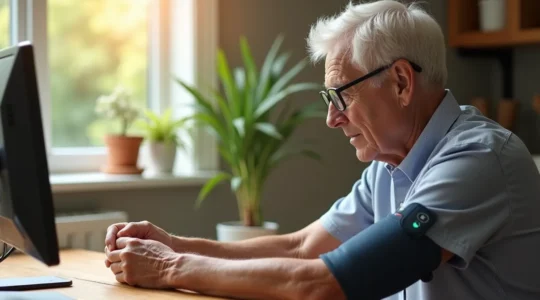
Achieving clinically accurate home blood pressure readings depends more on controlling hidden variables than just following basic steps. The choice between an upper arm and wrist monitor has significant accuracy implications for seniors. Physiological factors like anxiety, breathing patterns, and…
Read more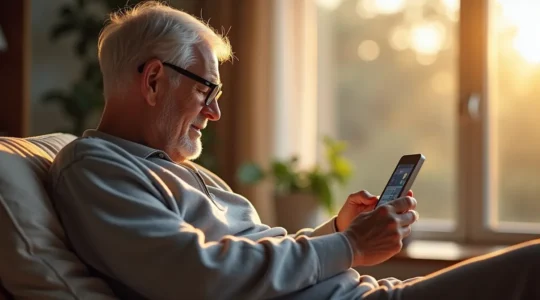
In summary: Shift your focus from the three-month A1C average to daily Time in Range (TIR) for a true picture of your glucose control. Master the art of interpreting trend arrows to understand glucose “momentum,” allowing for small, proactive adjustments…
Read more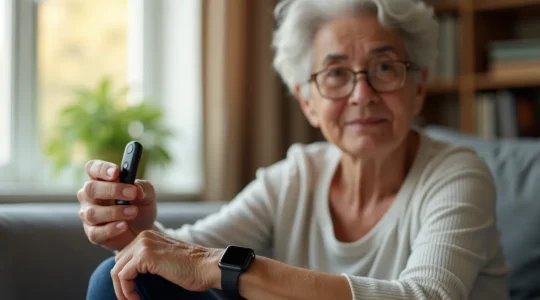
The best device for detecting irregular heartbeats depends on the type of data you need: continuous background monitoring for unknown issues or on-demand medical-grade data for known symptoms. Smartwatches with Photoplethysmography (PPG) excel at detecting asymptomatic events by passively monitoring…
Read more